

About Cable Lugs
Marel cable lugs are manufactured from materials with excellent electrical conductivity. Their mass ensures long-term durability, while their large contact surfaces with conductors and connection elements ensure a high-quality and stable electrical connection.
About Cable Joints
Marel cable joints are manufactured from materials with excellent electrical conductivity. Their mass ensures long-term durability, while their large contact surfaces with conductors ensure a high-quality and stable electrical connection, both in electrical cabinets and in underground cable joints.
Key Advantages
- A design that provides large contact surfaces with the conductors and connection elements themselves.
- The mass of the lugs and joints ensures their stability during long-term operation and under very high current loads.
- Manufactured from electrolytic copper or aluminium with a purity of 99.5%, providing excellent electrical conductivity.
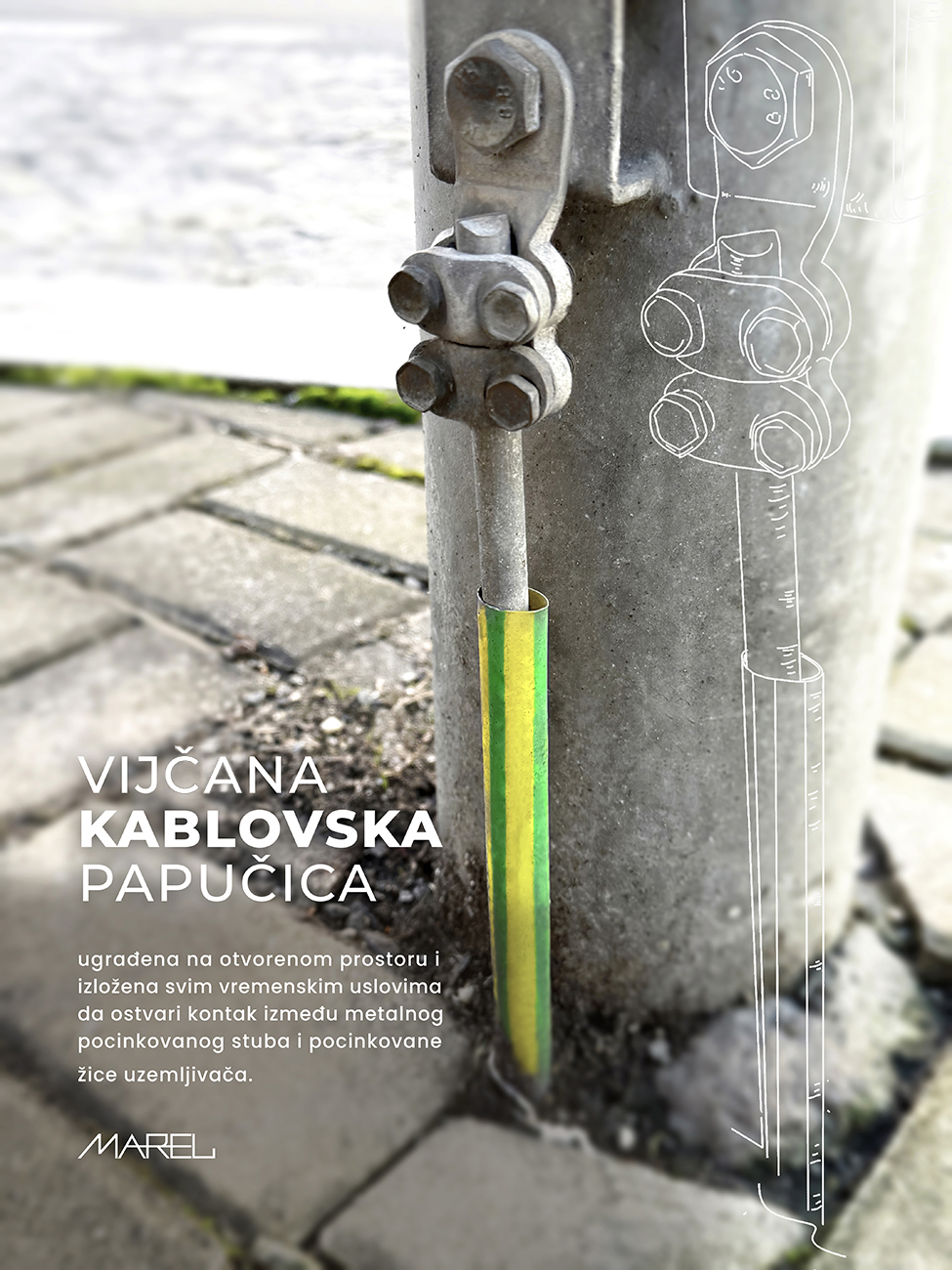
Standards
- Standards according to which cable lugs and joints are manufactured: SRPS N.F4.101 ; DIN 46235 ; DIN 46267; DIN 46329
- Standards for testing cable lugs and joints: EN 61238-1-1; EN 61238-1-3
-
READ MORE ABOUT CABLE LUGS AND JOINTS
Cable Lugs and Joints
Cable lugs and joints are an unfairly neglected, yet very important and indispensable element of cable power connections.
With the emergence of the first insulated copper conductors at the end of the 19th century, followed by aluminium conductors in the mid-20th century, the need arose to develop components for terminating and joining conductors. As insulated copper conductors were predominantly used during the first two decades, cable lugs — components intended for conductor termination — and cable joints — components intended for conductor joining — emerged on the global market.
It should be noted that the first conductors were insulated with bitumen, jute, special types of oiled paper, rubber and cotton. It was only during the 20th century that PVC (polyvinyl chloride) began to be used, followed later by XLPE (cross-linked polyethylene).
In the following text, it should be taken into account that aluminium conductors and lugs are considerably more economical than copper ones, mainly for three reasons: stock market prices, processing costs and the specific gravity of the metals concerned. Generally speaking, these three aspects played a very important role in the search for alternatives and the transition from copper to aluminium networks.
Another important factor in the development of lugs and joints is the speed of installation, as well as their versatility. Nowadays, efficiency, i.e. installation speed, is of great importance. It is also important that, in certain cases, one lug or joint can accommodate an entire range of conductors, meaning that it can be installed on as wide a range of conductors as possible, regardless of whether they are copper or aluminium, sector-shaped or round, or have a larger or smaller cross-sectional area.Cable Lugs
The design of cable lugs itself depended on the following factors:
• the type of conductor on which they are used;
• the point at which the conductor is connected – the connection point;
• the method used to connect the cable lug to the conductor itself.
Cable lugs are installed on aluminium and copper power conductors of all dimensions and voltage levels, regardless of whether their cross-sectional construction is sector-shaped (SE/SM) or round (RM/RE).
Copper conductors require cable lugs made of copper, surface-protected by tin plating or zinc plating. Surface protection of copper is applied because copper naturally oxidises over time, and the oxide layer that forms causes an increase in electrical contact resistance. As a consequence, electrical energy is converted into heat.
Cable lugs are manufactured from electrolytic copper in order to achieve the best possible electrical conductivity. Unfortunately, in recent years, lugs made from similar metals but with considerably poorer electrical characteristics have appeared on the market – more about this can be found in our blog.
Cable lugs most commonly have the same design, regardless of whether they are installed on the end of a sector-shaped or round conductor. Of course, there are exceptions, as well as certain specific solutions.
Aluminium conductors require cable lugs made of aluminium. Surface protection is not necessary; however, due to the formation of aluminium oxide, the part of the lug intended to accommodate the conductor is most commonly protected with electrical contact grease, while the entry point of the lug is protected with a rubber or similar single-use cap.
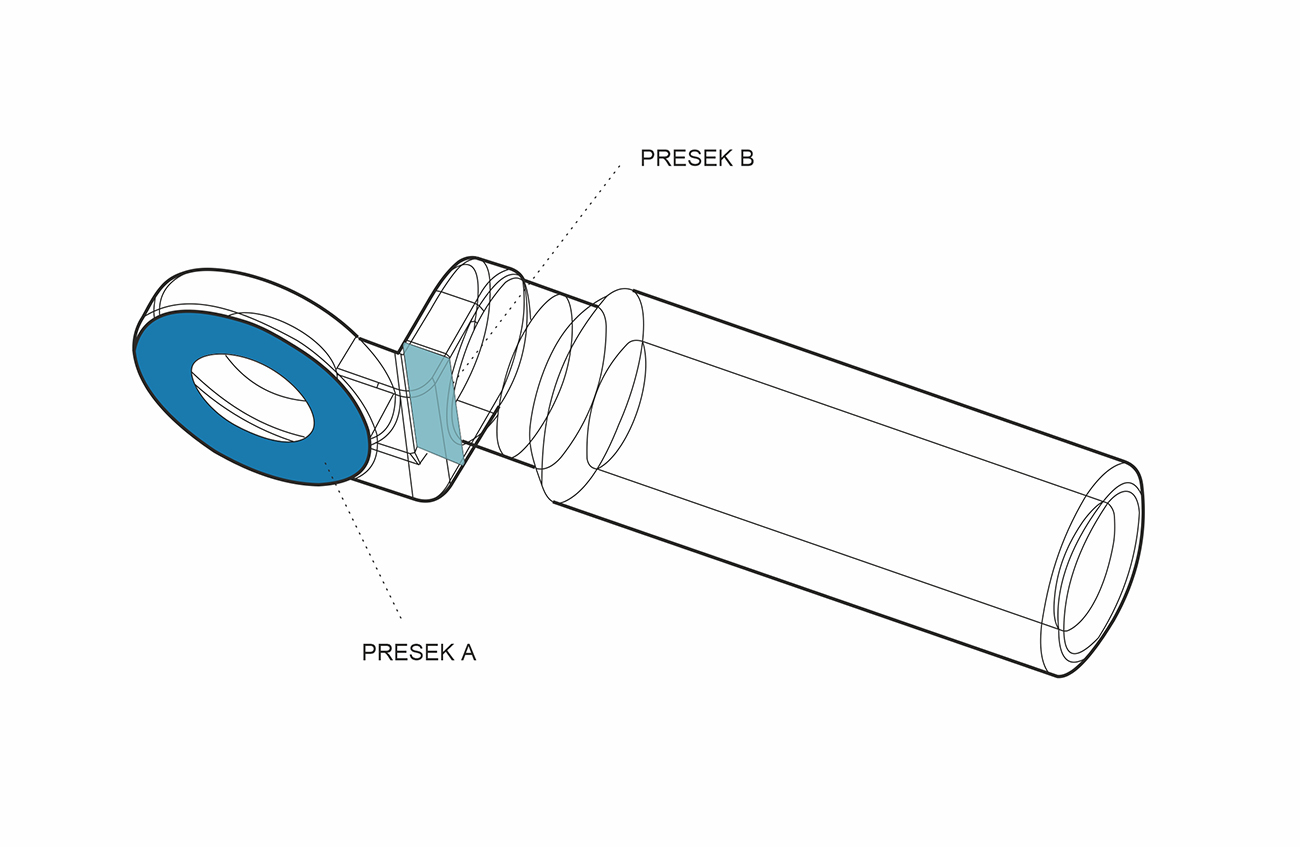
If we consider cable lugs according to the type and design of the connection point, it is important to note that, when designing a connection point for a high-quality electrical contact, it is essential for the lug to have a large contact surface with the connection point (Drawing 1 , 2 & 3/ Section A), as well as the prescribed thickness at its thinnest cross-section (Drawing 1, 2 & 3 / Section B).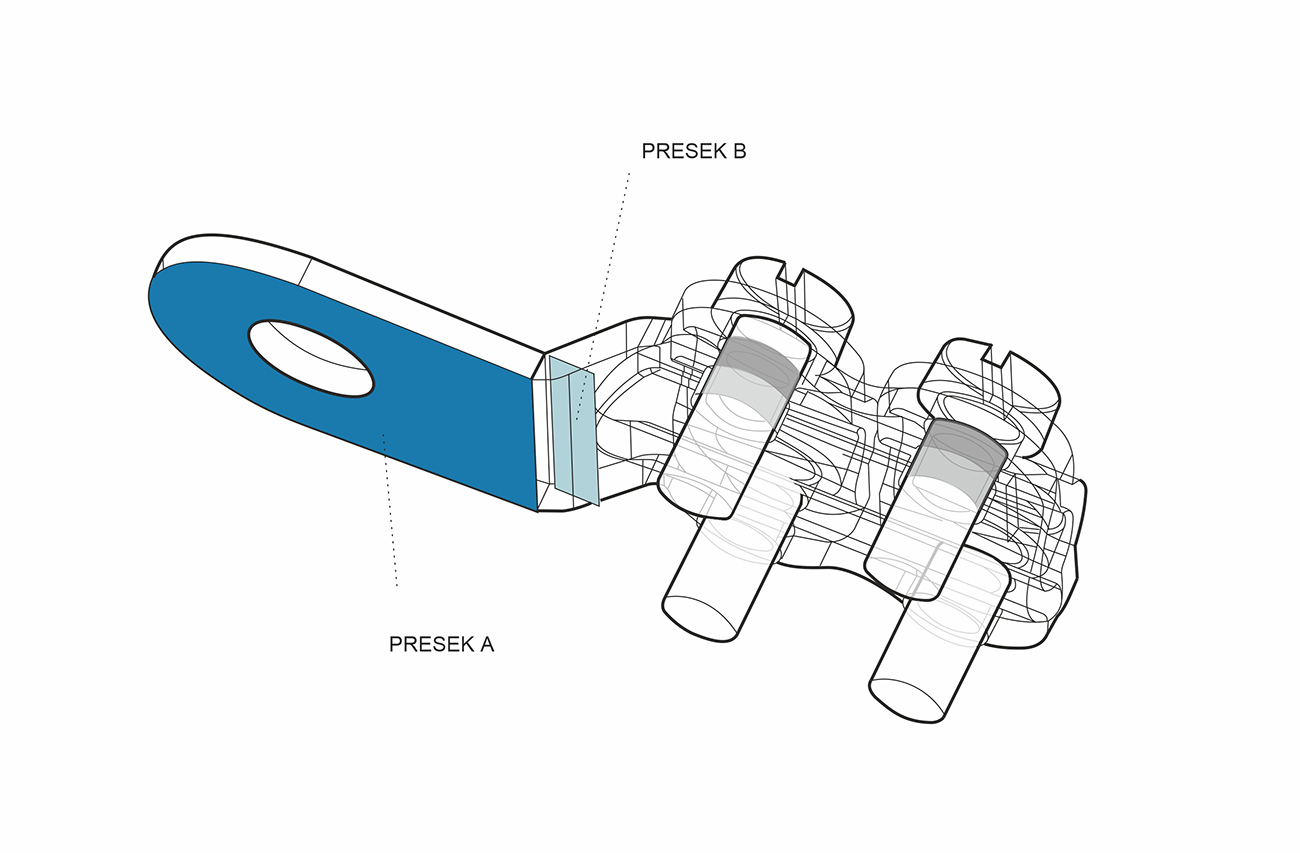
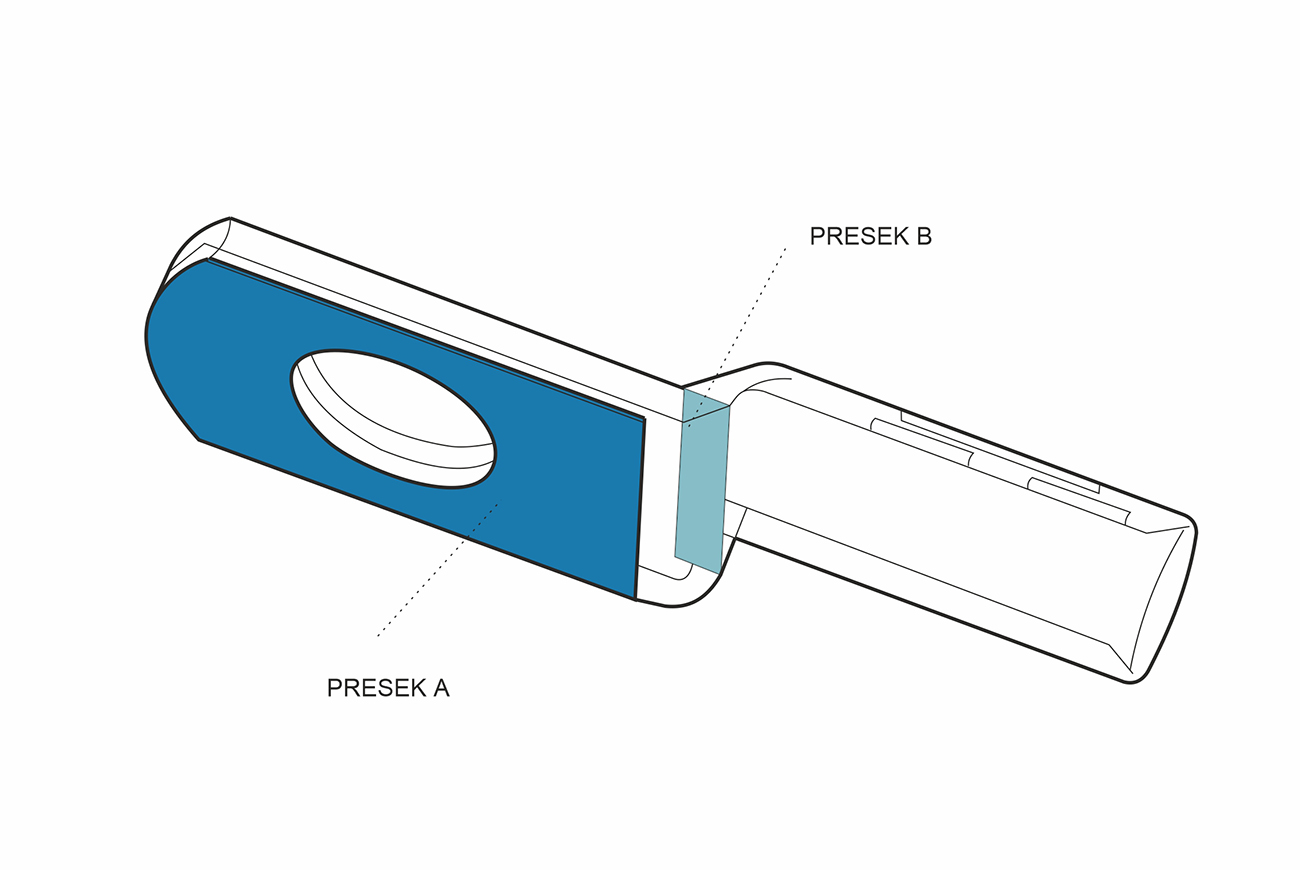
It is important for the conductor to be clamped as firmly as possible inside the lug. It is equally important for the lug to be firmly secured to the connection element.
At the beginning of this text, we stated that lugs and joints are unfairly neglected components because their economic value, if we take electrical cabinets as an example, is very small compared with the price of the cabinet itself – approximately 1–3%. On the other hand, the connection points themselves are highly sensitive, and the durability and safety of the cabinet largely depend on them.
Accordingly, cable lugs can be divided into:
• lugs for copper conductors;
• lugs for aluminium conductors;
• lugs for aluminium and copper conductors;
• special-purpose lugs.
The point at which the conductor is connected may be made of copper or aluminium and may have different shapes and purposes. These may include copper busbars in distribution cabinets, connection points of circuit breakers, disconnectors and other switching equipment, most of which is made of copper and subsequently surface-protected by tin plating, silver plating or zinc plating.
Much less frequently, connection points are made of aluminium. In general, these aluminium connection points are also tin-plated, which enables them to accommodate copper lugs.
The natural incompatibility of copper and aluminium and electrolytic corrosion could be the subject of a separate blog, as this is a very interesting topic.
Due to the structure of connection points, which are predominantly made of copper, and the increasing use of aluminium cables, technical solutions gradually emerged that enabled connections such as those between a copper busbar and an aluminium conductor.
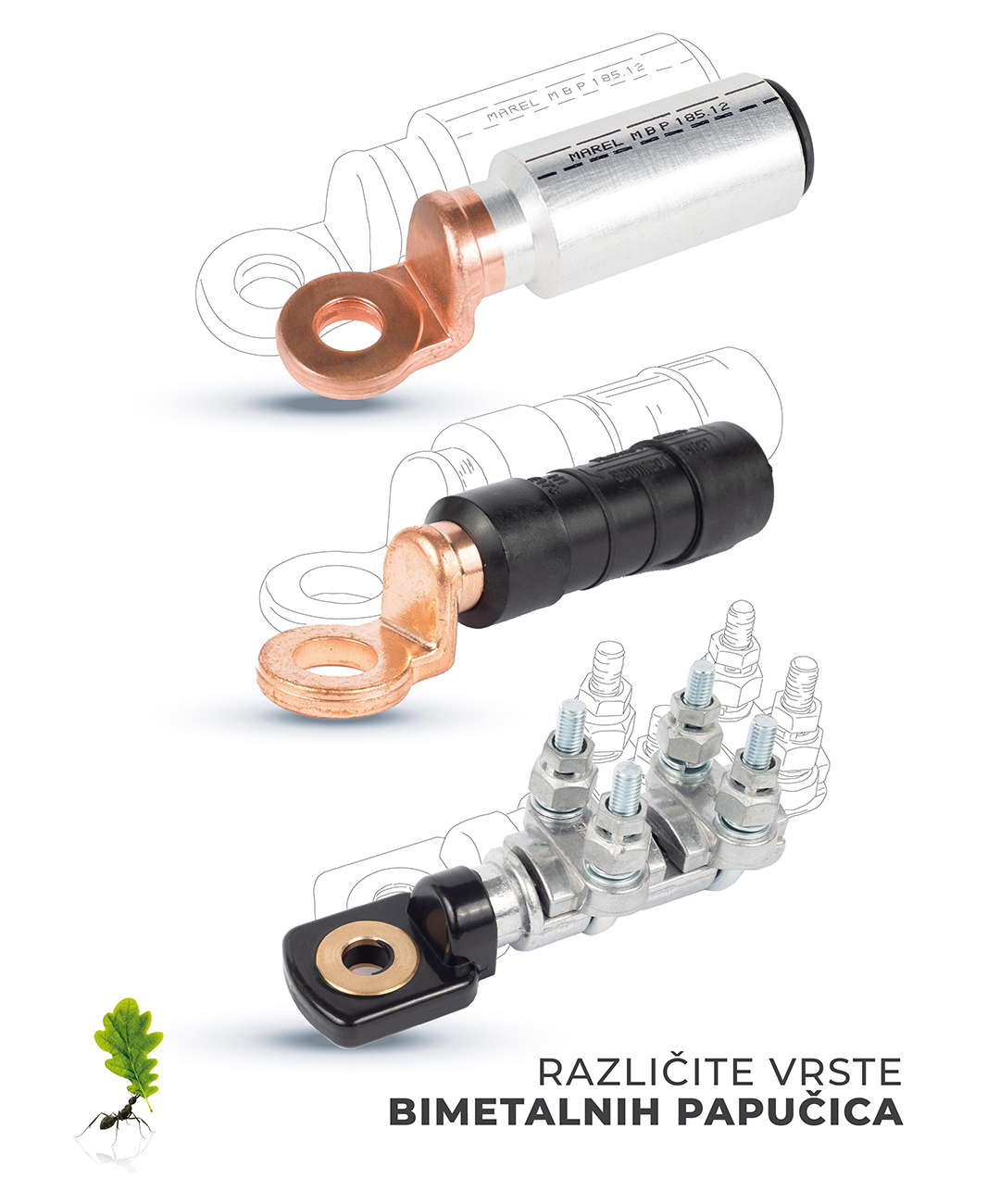
Lugs commonly referred to as AlCu lugs provide this capability. Several technical solutions have been developed:
• a solution with a tin-plated washer installed between the busbar and the lug;
• aluminium lugs with an integrated copper ring;
• bimetallic lugs manufactured by friction welding;
• aluminium lugs tin-plated over their entire surface;
• lugs with a brass ring, and similar solutions.
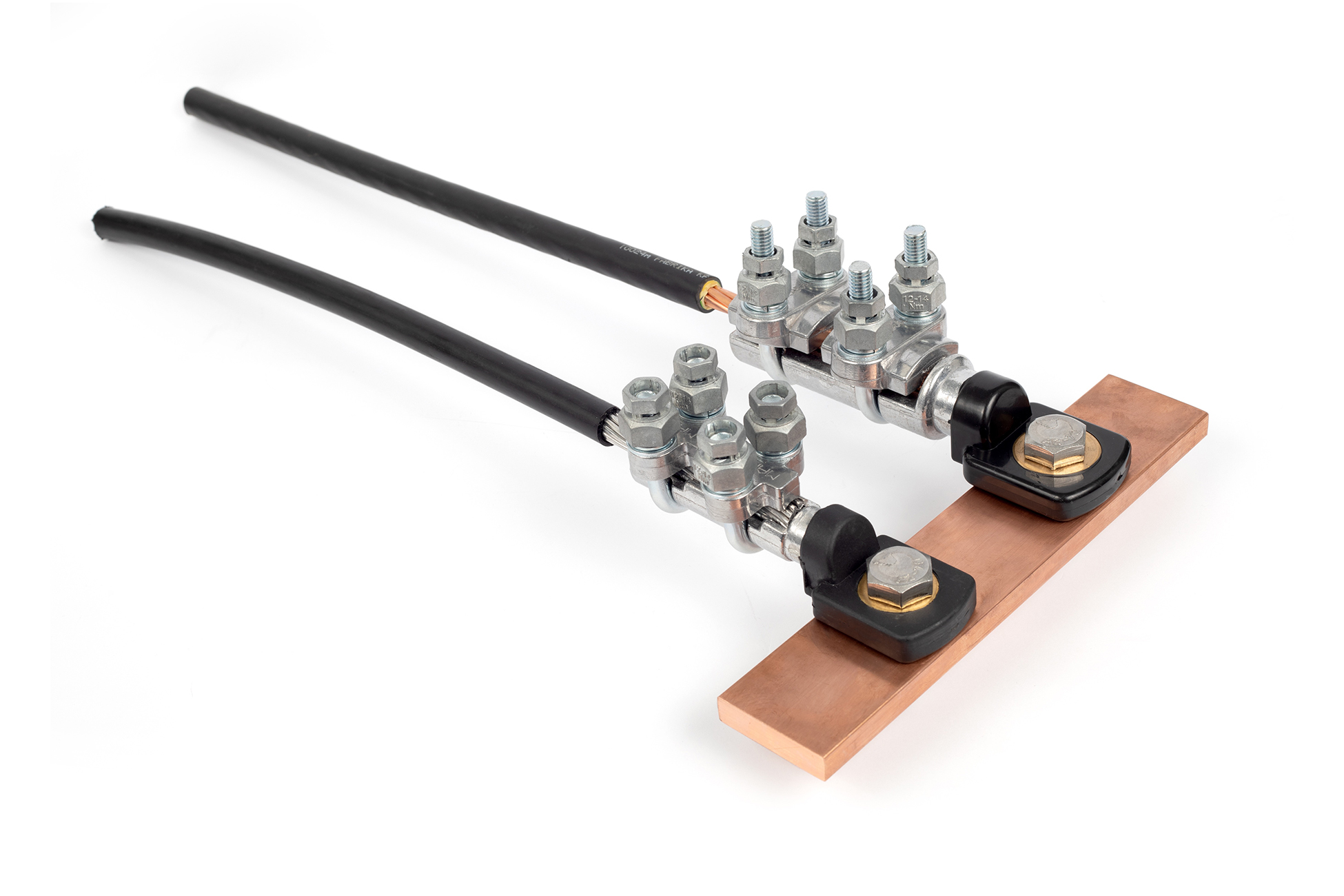
It is also worth mentioning the increasingly popular lugs known as universal lugs with shear-head bolts. They can accommodate both aluminium and copper cables, while the connection point may be made of either copper or aluminium.
Universal lugs and joints accommodate a wide range of conductor cross-sections and allow for fast installation using cordless drills (Photo 2).
Their only disadvantage is their somewhat larger overall dimensions, which can be a problem if there is limited space inside an electrical cabinet. In addition, they are generally less favourable from an economic perspective – they are more expensive than, for example, standard lugs and joints.
Accordingly, cable lugs can be classified into three groups:
• lugs for connecting copper conductors to copper elements;
• lugs for connecting aluminium conductors to copper elements;
• lugs for connecting aluminium conductors to aluminium elements.Method of Connecting the Conductor to the Lug
The third basic classification is based on the method used to secure or connect the conductor to the lug itself.
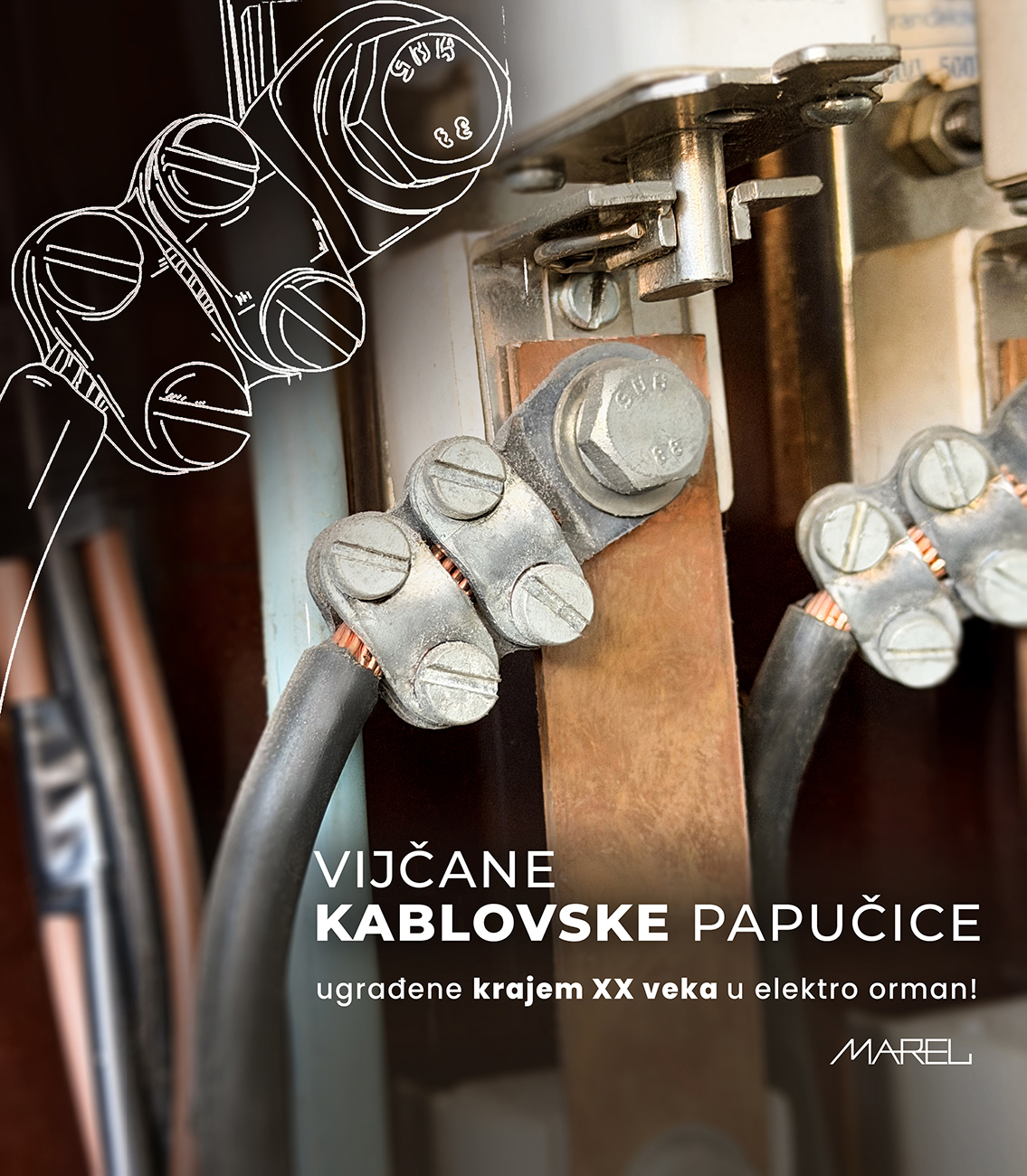
When the first lugs and joints appeared, hydraulic and electric crimping tools, battery-powered crimping tools and similar specialised equipment were not available. At that time, lugs were connected to conductors by applying mechanical force through the tightening of screws, using standard screwdrivers or standard wrenches (Photo 3).
At that time, lugs were predominantly made of copper, which allowed high-quality threads to be machined directly into the body of the lug. As a result, the screws could be properly tightened into the body of the lug, thereby creating excellent electrical contact.
The VKP bolted cable lugs for copper conductors were the first product manufactured by Marel. Production at our facilities began in 1997.
Aluminium lugs are considerably softer, and such a solution was more difficult to implement due to the thin wall of the lug and the specific softness of aluminium.
Through technical research and testing, a method of installation known as crimping was developed, i.e. applying mechanical force directly to the lug.
Crimping also has an advantage over bolted lugs because it is more resistant to vibration in connections exposed to vibration, such as railway and tramway overhead contact electrical networks.
Universal lugs with shear-head bolts have threads in the aluminium body, but their walls – and consequently the thread length – are considerably thicker, allowing a high-quality thread to be machined into the body of the lug.
In addition, aluminium lugs intended for crimping are manufactured from aluminium with a purity of 99.5%, which is soft and suitable for crimping, while universal lugs are manufactured from aluminium alloys containing magnesium, which are considerably stronger and tougher and therefore suitable for threading directly into the body of the lug.
Accordingly, lugs can be classified into two groups:
• lugs in which the connection to the conductor is achieved by mechanical force generated by tightening screws;
• lugs in which the connection to the conductor is achieved by mechanical force generated through crimping.Lug Marking
The marking of lugs should also be mentioned:
• in general, the lug should indicate the type of conductor for which it is intended;
• the diameter of the connection bolt hole;
• if the lug is intended for crimping, the crimping locations should be clearly marked;
• in the case of universal lugs, the recommended tightening torque for the shear-head bolts, i.e. the expected shear-off torque of the bolt head, should be specified;
• upon the customer's request, the voltage level may also be indicated;
• in the North American and Canadian markets, lugs are commonly color-coded for easier identification.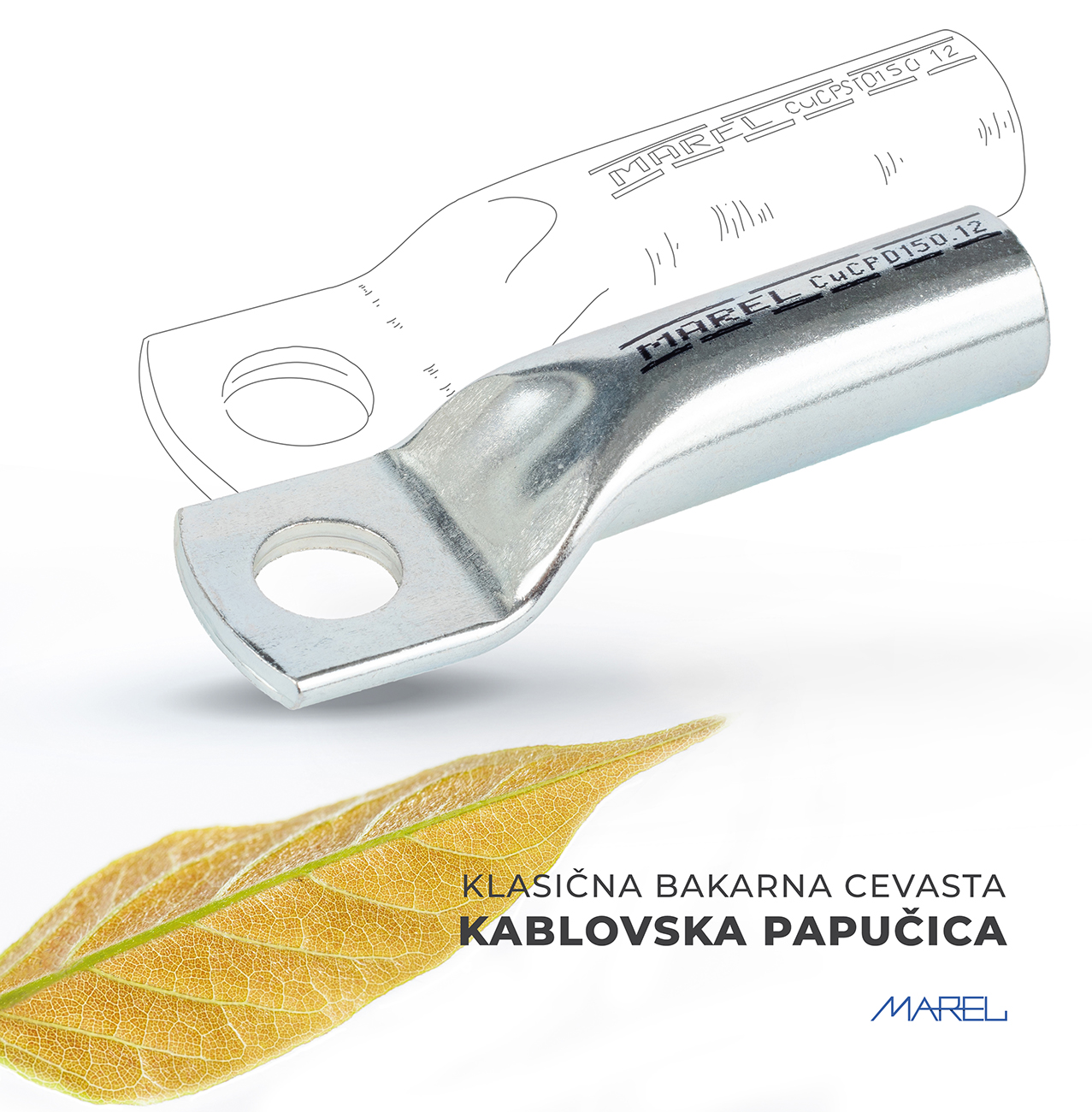
Author – Marel d.o.o. Working Group, 2026


